Manual Handling in Patients’ Homes vs Clinical Settings: What HCAs Need to Know
23 March 2026
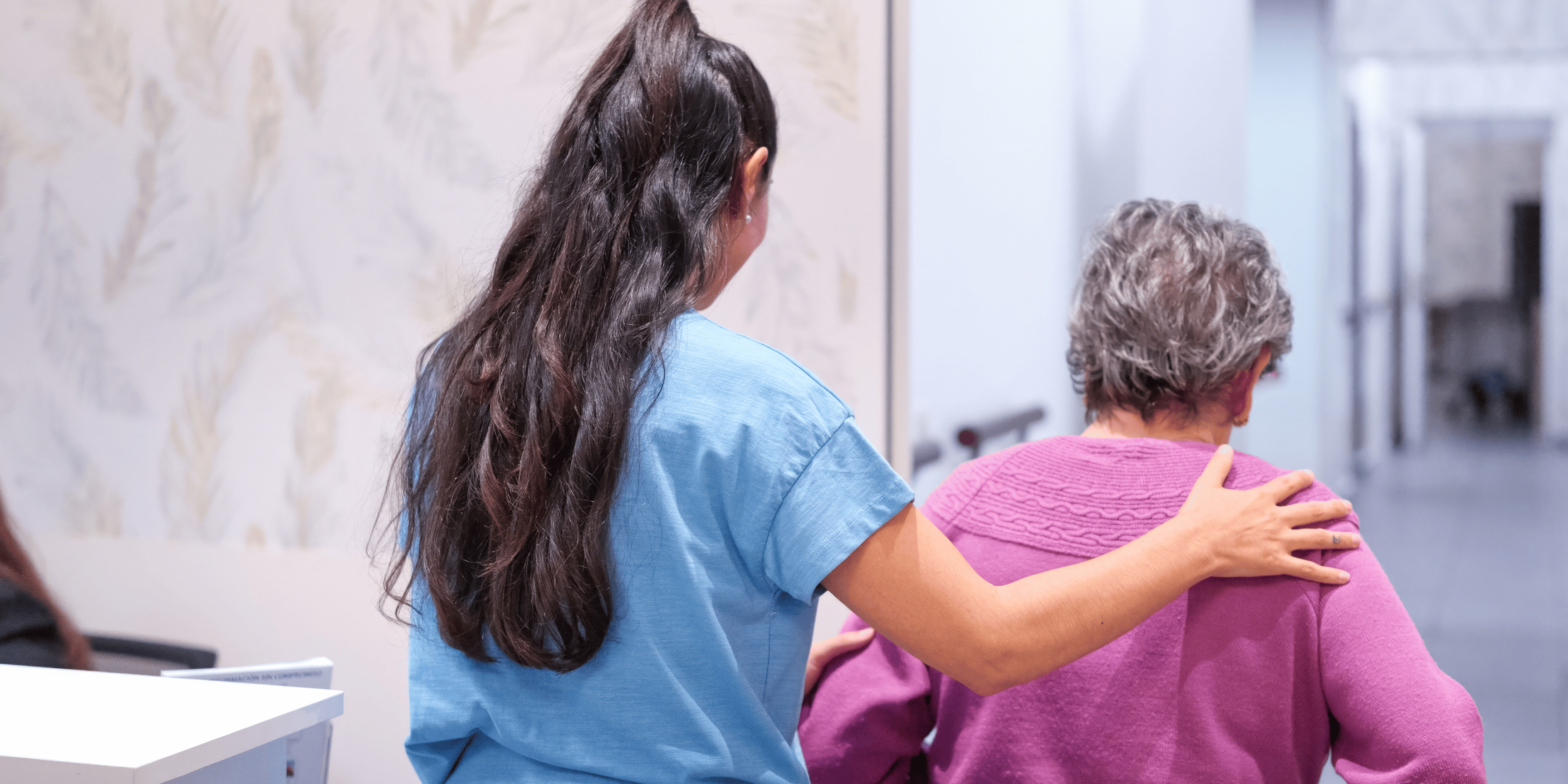
For many Healthcare Assistants (HCAs), manual handling is something that quickly becomes part of everyday care.
Whether helping someone move safely, repositioning for comfort, supporting mobility, or assisting with transfers, manual handling plays an important role in maintaining both safety and dignity.
However, for HCAs considering careers in care and moving into homecare, one thing often becomes clear very quickly:
Manual handling in people’s homes feels very different from manual handling in hospitals or care homes.
If you are transitioning into homecare for the first time, it is completely normal to wonder:
“How different can it really be?”
“Will the same techniques still apply?”
“What happens when there is less equipment or space?”
The reality is that while the core principles of safe manual handling remain the same, the environment changes significantly.
Unlike clinical settings, homecare often means working in spaces that are less predictable, less structured, and far more personalised to the individual.
Understanding these differences can help Homecare HCAs feel more prepared, safer, and more confident before their first shift.
The Core Principles of Manual Handling Stay the Same
Before discussing the differences, it is important to remember something reassuring:
The fundamental principles of safe manual handling do not change simply because you are working in someone’s home.
Safe practice still includes:
Dynamic risk assessment
Safe body positioning
Protecting service user dignity
Using appropriate equipment correctly
Avoiding unsafe manual lifting
Strictly following care plans
Maintaining clear communication
Protecting both yourself and the person receiving care
In other words, your existing manual handling training still matters. What changes most is the environment where you are applying those skills. Read our real stories to see how our care teams adapt their skills safely in everyday home settings.
Clinical Settings Are More Controlled
In hospitals and care homes, environments are usually designed with healthcare delivery in mind.
Rooms are often larger, wide corridors are standard, and equipment is easily accessible.
Healthcare Assistants in clinical settings are used to:
Height-adjustable hospital beds
Specialist moving and handling equipment on hand
Wide access spaces around furniture
Standardised clinical layouts
Immediate colleague support down the hall
Mobile and ceiling track hoists readily available
These structured settings are engineered to support safer movement and mobility.
Homecare environments feel very different.
Patients’ Homes Are Less Predictable
One of the biggest differences in homecare is that every home is unique.
Unlike clinical environments, people’s homes were not originally designed for mobility support or healthcare delivery.
You may encounter:
Narrow hallways and doorways
Limited space around beds and armchairs
Stairs and split levels
Rugs, carpets, or uneven flooring
Small, cramped bathrooms
Fixed furniture restrictions
Limited equipment storage space
This means Homecare HCAs often need to adapt while still following safe manual handling principles when delivering care at home.
For example, a transfer that feels straightforward in a hospital bay may require far more spatial planning inside a smaller bedroom or living space. Flexibility and observational skills become essential.
Space Limitations Can Change How You Work
Limited space is one of the most common adjustments Homecare HCAs experience.
In hospitals, there is usually enough room to safely position equipment and maintain ideal body mechanics. In people’s homes, space constraints can challenge your positioning.
Common home space challenges:
Beds positioned against walls
Restricted wheelchair turning circles
Heavy domestic furniture limiting movement
Compact bathroom layouts
This does not mean compromising on safety. Instead, it means slowing down, assessing risks carefully, and adapting safely within the environment.
Planning movements step-by-step before acting becomes vital in homecare settings.
Equipment May Be Different, or More Limited
In clinical settings, equipment is readily available in equipment rooms. In homecare, the type of equipment present depends strictly on the individual’s assessed care package and home setup.
Common homecare equipment includes:
Mobile hoists or ceiling track hoists
Standing aids and active hoists
Slide sheets and transfer boards
Profiling beds and pressure mattresses
Walkers, frames, and transfer belts
However, equipment options may be more specific or tailored than in hospital wards.
This is why reviewing the individual care plan matters so much.
Before carrying out any movement or transfer, ask yourself:
What specific equipment is mandated in the care plan?
What is the correct, safe moving procedure?
Is a second carer required for this hoist transfer?
What environmental or clinical risks are present?
What is the escalation procedure if equipment malfunctions?
Importantly, Homecare HCAs should never improvise unsafe manual handling because a piece of equipment feels inconvenient or unavailable. If something feels unsafe, escalate it immediately.
Communication Becomes Even More Important
Manual handling in homecare relies heavily on clear, empathetic communication.
Because care is frequently delivered one-to-one, communication helps individuals feel safe, calm, and involved during movements.
Best practices for manual handling communication:
Explain what is happening: Talk through each step before moving.
Reassure the individual: Help reduce anxiety during transfers.
Encourage independence: Allow the person to assist where safe and capable.
Check comfort levels: Ensure sling positioning or grips are comfortable.
Move at their pace: Never rush a transfer.
Supporting dignity matters enormously. People receiving care at home can feel vulnerable when supported in their personal spaces—respectful communication maintains mutual trust.
Homecare Means Greater Professional Independence
One of the main differences between clinical and home settings is the level of autonomy expected from HCAs when working with us.
In hospitals or care homes, colleagues are often nearby to help with a two-person transfer. In homecare, you may spend large parts of your shift working independently or as part of a planned double-handed visit.
It is normal to wonder:
“What if I am unsure about a transfer technique?”
“What if a space feels too tight for safe hoisting?”
This is why proper training, care plans, and escalation procedures exist. You are never expected to move someone in a way that feels unsafe.
Knowing when to stop and seek advice is a mark of professional accountability.
Risk Assessments Matter Even More in Homecare
Dynamic risk assessments are valuable everywhere, but they are essential inside personal homes.
Before moving or supporting someone, Homecare HCAs continuously evaluate:
Environmental layout and trip hazards
Available working space around the person
Equipment condition and safety checks
The individual’s mobility and strength on that specific day
Sudden changes in physical or mental health
For example, a client who managed transfers safely yesterday may feel weaker, fatigued, or unsteady today.
In cases where a client experiences sudden physical deterioration or a fall occurs, knowing when to request immediate assistance or trigger a crisis response protects everyone involved.
Never Feel Pressured to "Just Lift"
One of the most critical rules in modern manual handling is this: You should never manually lift a person's weight unsupported.
Sometimes HCAs worry about disappointing families or feel internal pressure to manage situations quickly. However, unsafe movement significantly increases the risk of severe injury for both you and the client.
Improper manual handling can cause:
Client falls or acute distress
Skin tears and bruising
Back, neck, and shoulder injuries for carers
Musculoskeletal disorders (MSDs)
Long-term chronic pain issues
If a situation feels unsafe, stop, ensure the client is secure, and seek support from your care manager.
Protecting Your Own Physical Wellbeing
Healthcare Assistants naturally focus on the wellbeing of the people they support, but protecting your own health is equally vital.
Poor manual handling practice is one of the leading causes of injury among healthcare workers.
Protect your long-term health by:
Always using proper body mechanics (bending knees, keeping spine neutral)
Avoiding twisting while bearing weight
Positioning yourself close to the load or equipment
Slowing down and avoiding rushed transfers
Strictly adhering to your moving and handling training
You cannot provide exceptional care to others if you sustain an injury yourself.
Common Manual Handling Mistakes to Avoid in Homecare
1. Assuming all home environments will feel similar
Every home layout, door width, and furniture arrangement is unique.
2. Rushing transfers
Taking an extra 60 seconds to assess and position equipment prevents accidents.
3. Skipping equipment pre-checks
Always inspect slings, clips, brakes, and batteries before use.
4. Trying to handle unsafe situations alone
If a single-handed care plan suddenly requires two people due to deterioration, escalate it immediately.
5. Neglecting personal posture
Using poor posture in tight spaces leads to avoidable back strain over time.
Building Confidence in Homecare Manual Handling
Feeling nervous about manual handling in a new home environment is completely normal during your first few shifts.
Confidence develops through:
Comprehensive mandatory training
Field observations and shadow shifts
Hands-on practical experience
Asking questions without hesitation
Thoroughly reading individual care plans
Most Homecare HCAs quickly adapt once they become familiar with their clients' routines and home environments.
Safe Movement Starts With Good Preparation
Manual handling in patients’ homes feels different from clinical settings, but the ultimate goal remains identical: delivering safe, dignified, person-centred care.
By understanding environmental differences, following care plans, using equipment correctly, and recognising when support is needed, Homecare HCAs can work safely and confidently every day.
At Greenstaff Homecare, we ensure our care staff receive thorough training and ongoing field support. With the right guidance and preparation, Healthcare Assistants can build lasting confidence while delivering safe, compassionate care in the comfort of people’s homes.
Take the Next Step With Greenstaff Homecare
Are you an HCA looking for your next career move? Explore open roles to find a job, read more about careers in care, or contact us today.
Looking for safe, professional homecare for a loved one? Discover our tailored care at home packages or request a call back to speak with our care team.